How to Choose the Best Austin Backyard Turf for Your Home
Living in Austin means embracing the heat. Our summers run long, and keeping a natural grass lawn green through July and August usually means high water bills and a lot of maintenance work. I've talked with dozens of homeowners around the city who love the idea of a lush backyard but are tired of the constant watering, mowing, and fertilizing. That is why more people are turning to artificial turf as a practical alternative. But choosing the right Austin backyard turf is not as simple as picking the greenest roll at the store. The local climate, your yard's sun exposure, and how you actually use the space all matter a great deal.
I have seen projects where a homeowner picked a cheap turf from a big-box retailer only to have it fade and flatten within a year. That kind of mistake costs time and money to fix. On the other hand, a well-chosen turf installation can look great for over a decade with very little upkeep. The difference comes down to understanding the product and working with someone who knows Central Texas conditions. Cen-Tex Artificial Turf Austin backyard turf installations have become a popular choice here because they factor in the intense UV, the clay soil, and the way families actually use their outdoor rooms.
What Makes Austin Different for Artificial Turf
Many people assume that artificial turf is the same everywhere. That is not true. In a cooler, wetter climate, a basic turf might hold up fine. But in Austin, the sun is relentless. UV degradation is the number one enemy of synthetic grass. The cheaper products use a polypropylene face that breaks down quickly under strong sun. Within two years, the blades can become brittle and start shedding. A better choice is a turf made with polyethylene or a blend that includes UV stabilizers. That kind of material stays flexible and keeps its color much longer.
Another local factor is drainage. Our soil has a lot of clay, which does not absorb water quickly. If your turf backing does not drain well, you can end up with puddles or even mold after a heavy rain. High-quality turf has a permeable backing with a drainage rate of at least 30 inches per hour. That is enough to handle even a Texas downpour. When you are evaluating options for your yard, always ask about the drainage rate and the warranty against UV fading. Those two numbers tell you more than any marketing claim.
Where Artificial Turf Shines in a Home Setting
The biggest benefit I see with clients is the water savings. A typical 500-square-foot lawn of natural grass needs about 10,000 gallons of water per year in Austin. Switching to turf eliminates that entirely. For a family trying to lower their utility bills or just be more responsible with water use, that is a huge win. The city's watering restrictions are also a factor. During drought periods, you cannot always keep natural grass alive, but your turf will look the same regardless.
Beyond water, there is the maintenance factor. No mowing, no fertilizing, no weed killers. For people who travel frequently or just prefer to spend their weekends doing something other than yard work, turf is a lifestyle upgrade. I know one couple who replaced their entire backyard with turf so their kids could play soccer without worrying about mud or bare spots. The grass stays consistent all year, and the only cleanup is an occasional rinse with a hose and a pass with a leaf blower.
Key Features to Look For in the Product
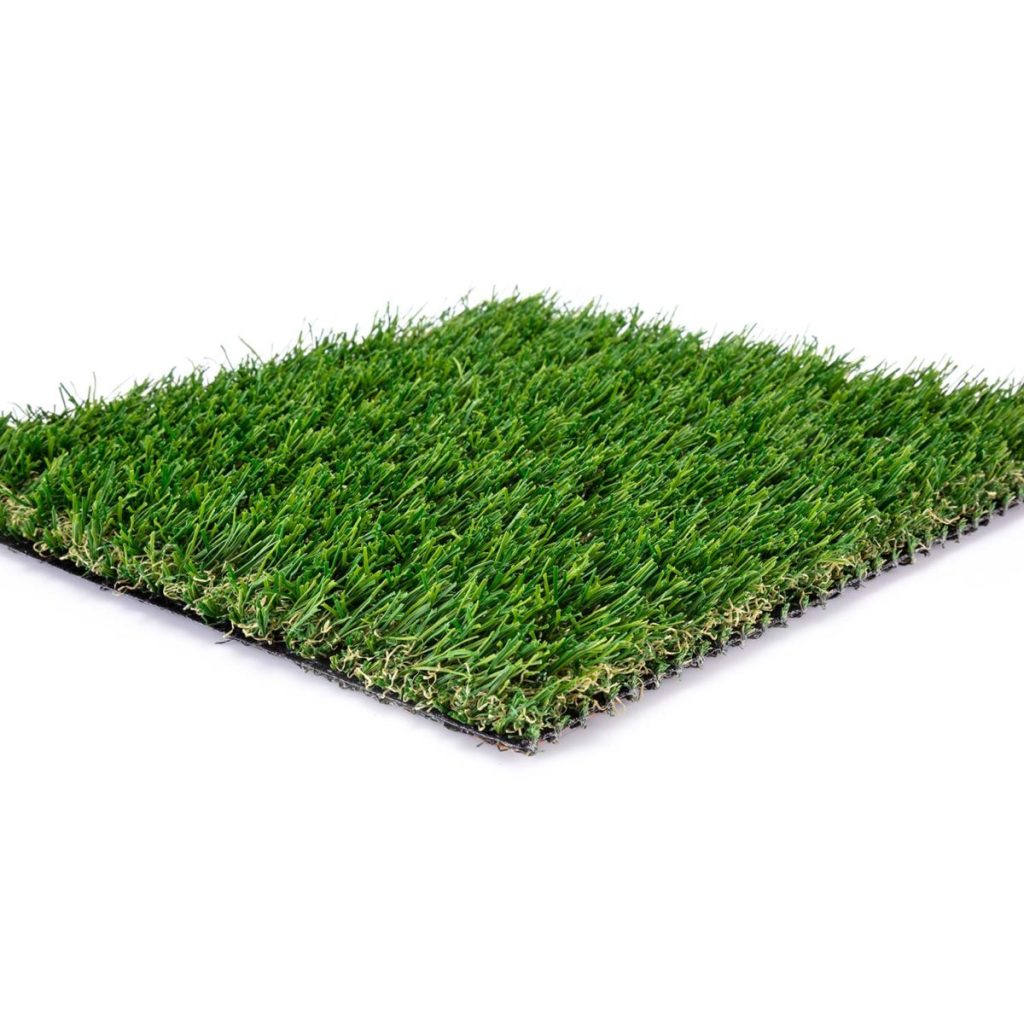
Not all turf is built the same. When you start shopping, you will see variations in pile height, density, and face weight. For a residential yard in Austin, I recommend a pile height between 1.5 and 2 inches. Taller than that can mat down in the heat, and shorter can feel too much like a putting green. A face weight of 60 to 80 ounces per square yard gives good density without feeling too stiff. The color should have some variation rather than being a single flat green. Natural grass has shades of green and even a little tan, so a turf that mimics that looks far more realistic.
Another detail is the infill. Some turfs come with a sand or rubber infill that helps the blades stand upright and adds weight. In Austin, a silica sand infill works well because it does not retain heat as much as rubber. That matters when the summer sun is beating down. A lighter infill also keeps the surface cooler for bare feet and pets.
Planning Your Installation for Best Results
Even the best turf will disappoint if the base preparation is not done right. The ground underneath needs to be excavated, leveled, and compacted. A good contractor will remove several inches of soil, add a layer of crushed rock or decomposed granite, and then compact it tightly. That base prevents the turf from settling or developing bumps over time. Weed barrier fabric goes on top of the base, and then the turf is laid and secured with nails or glue along the seams.
One mistake I often see is skipping the weed barrier. Without it, weeds can push up through the turf over time, especially along the edges or near flower beds. Another common error is not addressing the perimeter properly. The edges should be tucked and secured so they do not lift up after heavy use. A proper installation should last 15 years or more with basic care. The upfront cost is higher than natural grass, but when you spread it across that lifespan, it is very competitive, especially when you add in the water and labor savings.
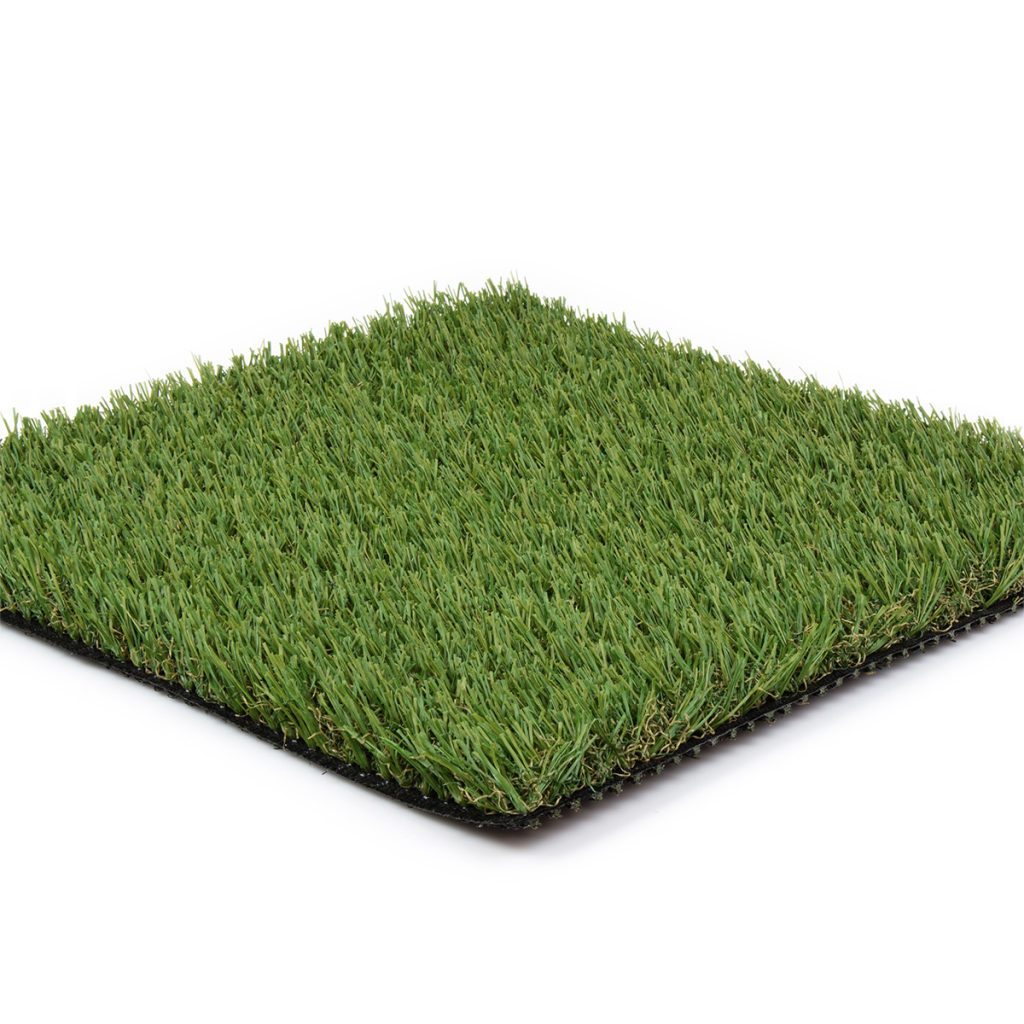
For homeowners looking at this option, Cen-Tex Artificial Turf Austin backyard turf installations are a good example of what to look for. They handle the full process from site evaluation to final cleanup. Their work includes the proper base, weed barrier, and seaming. I have seen their projects around town, and the attention to detail shows in the finished look. The seams are barely visible, and the turf lays flat even on slightly uneven ground.
Realistic Expectations for Heat and Comfort
Artificial turf does get warmer than natural grass on a hot day. That is physics. But the extent of the heat depends on the product and the infill. Lighter colors and silica sand infill reduce surface temperature noticeably. Some of the newer turfs also have a reflective backing that lowers heat absorption. In practice, most people find that the turf is comfortable for walking and sitting in the morning and evening. During the peak afternoon heat, you would probably want to be in the shade anyway, whether the surface is grass or turf.
If you have pets, do not let the heat concern scare you off. Many of my clients have dogs that love the turf. It drains quickly, so they do not track mud into the house. The turf is also non-toxic and easy to clean. Just rinse off any mess with a hose. Some pet-specific turfs have antimicrobial additives, but a standard high-quality turf works fine for most households.
Making the Decision That Fits Your Home
Every yard is different. A shady backyard with lots of trees might benefit from a turf that stays cooler, while a full-sun yard needs the best UV protection you can find. The best approach is to talk to a local installer who understands Austin's conditions. Ask about the specific products they carry and why they recommend one over another. Look at their completed projects if possible. A reputable company will be happy to show you their work.
I have found that the homeowners who are happiest with their turf are the ones who took the time to understand the product and the installation process. They did not just pick the cheapest option. They thought about how they would use the space, what kind of look they wanted, and how much maintenance they were willing to do. For most of them, the switch to artificial turf has been a positive change that frees up time and reduces their water use.
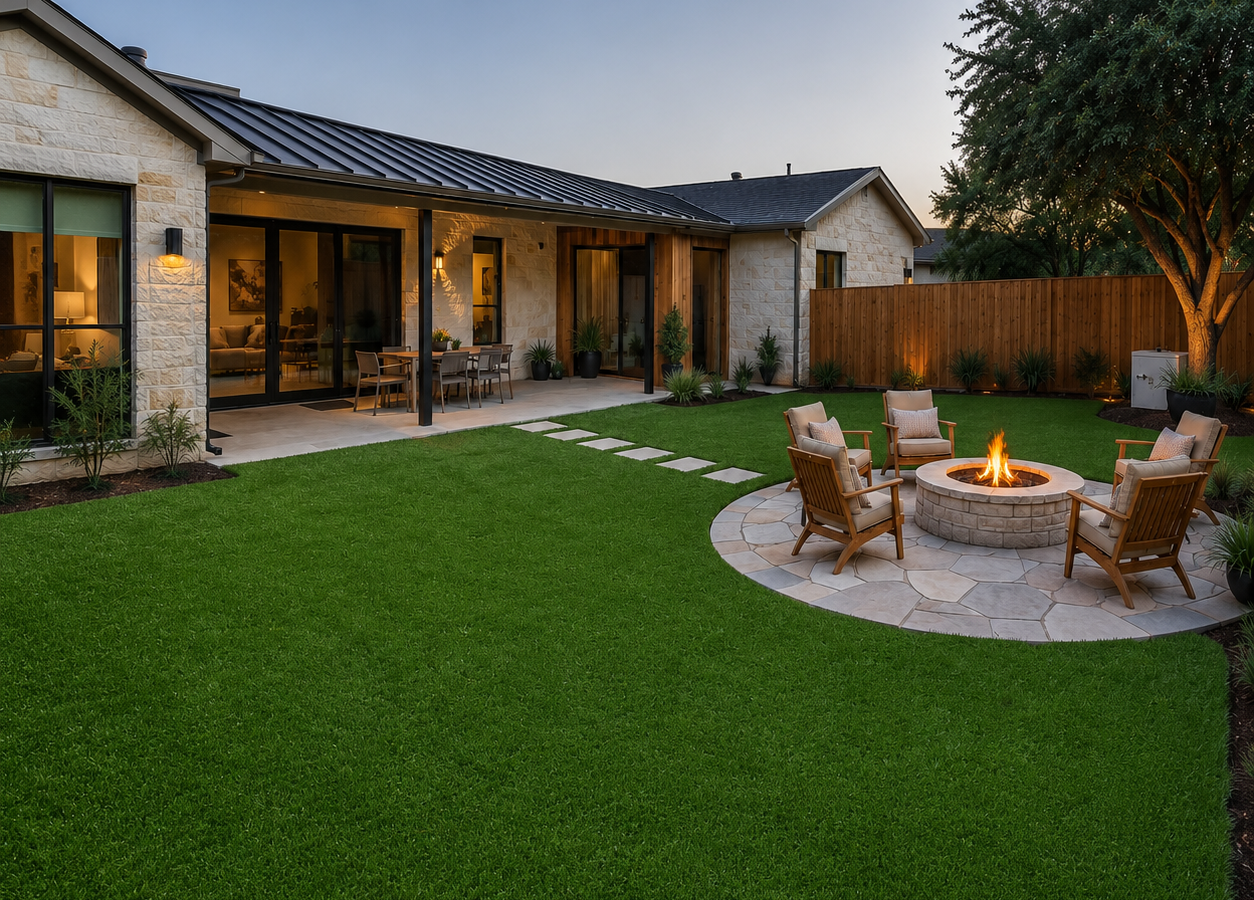
When you are ready to move forward, look for a contractor who offers a solid warranty and stands behind the installation. A good warranty covers fading, blade deterioration, and seam separation for at least eight to ten years. That kind of protection gives you peace of mind. And if you are in the Austin area, you will find that Cen-Tex Artificial Turf Austin backyard turf projects are a benchmark for quality work. They understand the local climate and the specific needs of Texas homeowners.
Ultimately, your backyard should be a place you enjoy without constant work. The right turf can make that happen. It is not a one-size-fits-all product, but with the right information and a good installer, you can get a lawn that looks great, saves water, and holds up for years.
Follow Cen-Tex Artificial Turf on
 Instagram
Corrections
Spot something wrong? Send it to the desk and it gets fixed in the open.